


✕
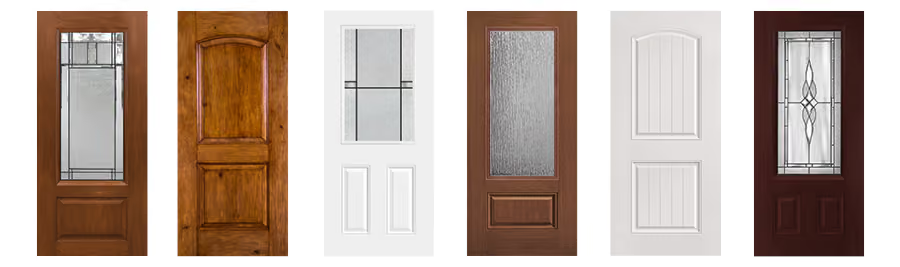
Victorian Queen Anne Style is a great example of a traditional design sensibility. “More is more,” guides this architectural style which features decorative elements inside and out as well as over-the-top structural elements, reminiscent of European architecture. Details include scalloped shingles, decorative trusses within gables and scroll sawn gingerbreads. With an emphasis on fancy, these homes feature detailed and sometimes carved millwork selections with large crowns, door and window toppers, elaborate stairway systems and elegant wood species like mahogany, cherry and walnut.
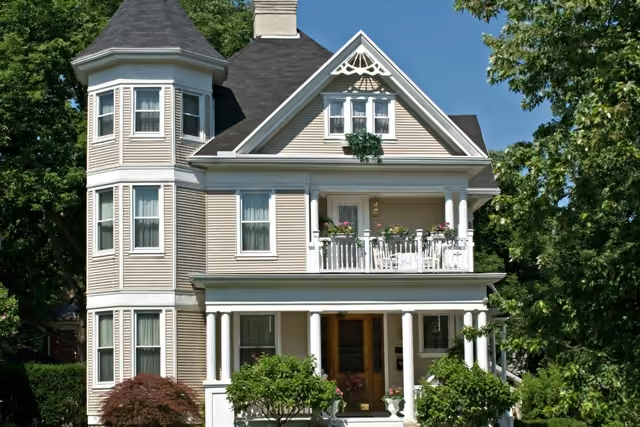
Many architectural styles fall under the umbrella of Victorian architecture. The Victorian era, named for Queen Victoria and her reign, lasted from 1837 to 1901. The styles which were popular late in that time period are those we see in historic homes throughout America. Rapid industrialization and the railroad enabled homes to be built more efficiently and with access to more interesting wood species. Victorian style homes are typically two and three stories high, with steep roof lines, gingerbread and scalloped shingles in the gables. The guiding principle was, “more is more.” Inside, heavily detailed mahogany, cherry and walnut millwork, elaborate stair systems and enormous wood pocket-doors, are just a few of the common elements found in a Victorian home.
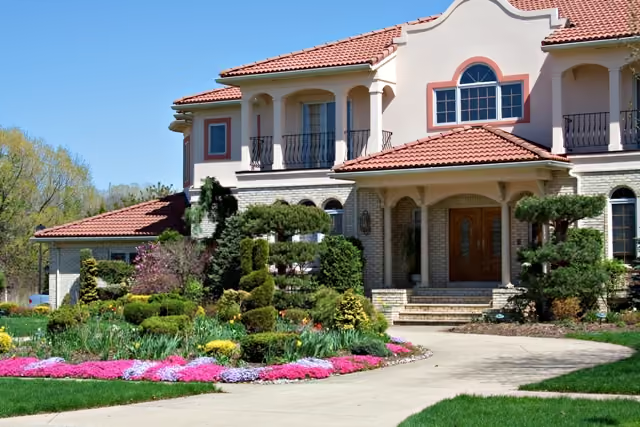
Spanish style homes are recognized as single or two story dwellings often with round arch porticos lining the front elevation or back courtyard. Red tile roofing, stucco exterior and iron detail on balustrades and over windows is common. Ornamentation is concentrated around doors and windows and is unrelated to the structure.
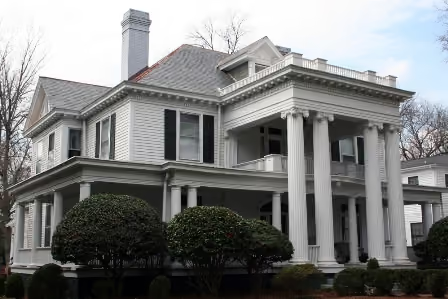
With romantic fashions and domestic practicality, Italianate homes provide a casual style of living with cultured aesthetics. These homes feature prominent towers with round-arched windows. Italianate homes feature series of pairs and work to unite the structure of a home with its surroundings, providing openness to both the interior floor plan and exterior facade.
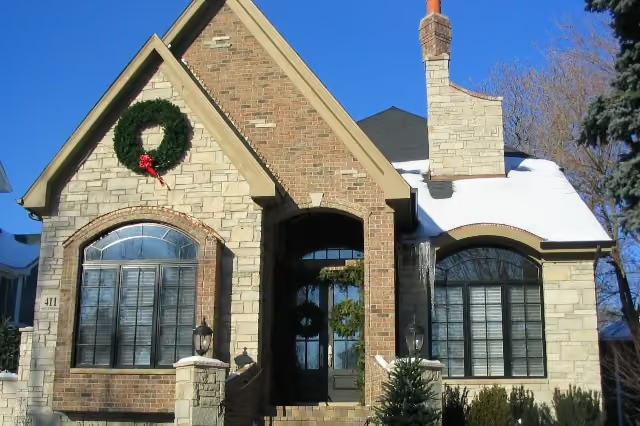
With basic floor plans and an emphasis on exterior detailing and ornate decorations, Gothic style architecture provides unusual character and medieval aesthetics to any home. Exterior trim is common, including castellated battlements, gingerbread detailing, cresting and finials.
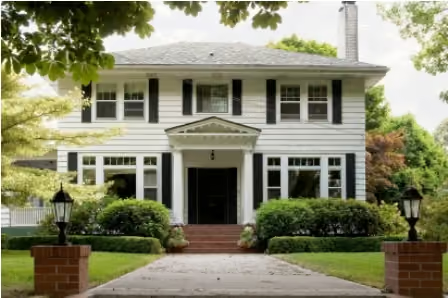
With sophisticated detailing and bold massing, Georgian homes offer decadent style and grace. Many Georgian homes are highlighted with exterior detailing, specifically slender columns. Georgian architecture is stately, conservative, and symmetrical.


24614 U. S. Hwy 71, Belgrade, MN 56312
© 2026 All Rights Reserved.